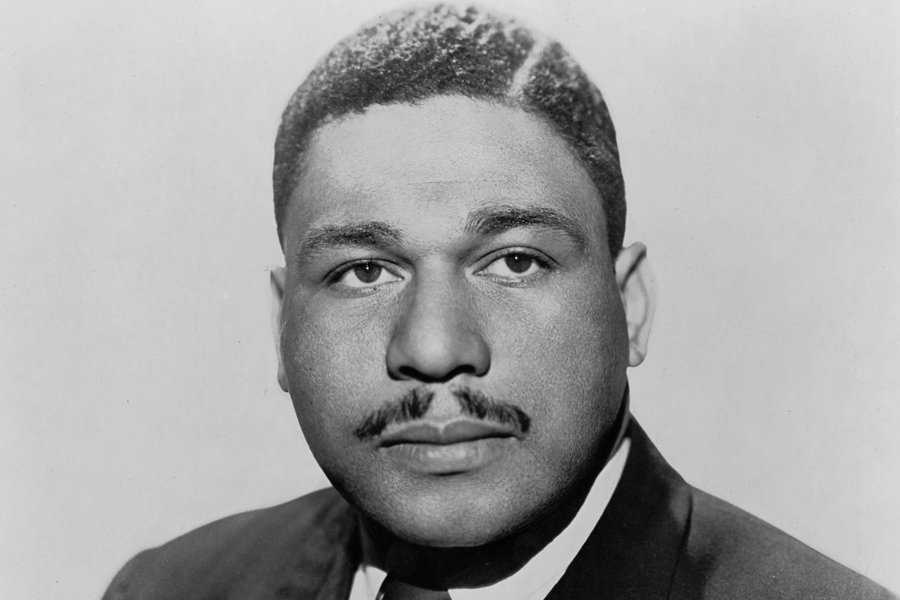
Basic Information
| Field | Details |
|---|---|
| Full name | Frederick O Neal |
| Birth year | 1905 |
| Birthplace | Brooksville, Mississippi |
| Death year | 1992 |
| Known for | Actor, theater producer, television director, labor leader |
| Spouse | Charlotte Talbot Hainey |
| Major legacy | First African American president of Actors’ Equity Association |
| Notable groups | American Negro Theatre, British Negro Theatre |
| Honors | Award winner, civic leader, union pioneer |
A Life That Moved Like a Torch Through the Dark
For me, Frederick O. Neal was more than a career. Carried an era. He was born in Brooksville, Mississippi, in 1905 into a world with short corridors and heavy doors for Black artists and craftsmen. He spent his life opening those doors. He was an actor, but that’s not enough. He was a builder, negotiator, organizer, and someone who knew art without dignity is airless.
Work and movement influenced his familial roots. After his teacher and merchant father died in 1919, the family moved to St. Louis. His childhood changed after that loss. That tipping point frequently solidifies determination. It appears to have done that for Frederick O’Neal. His career expanded after he started performing professionally in 1927. He was more than just chasing opportunity in 1936 New York. He was entering American Black culture’s center.
Not everything went smoothly in his career. Like a river, it crossed landscapes. He helped found the 1940 American Negro Theatre and the 1948 British Negro Theatre. They were more than organizations. Platforms, lifelines, and launchpads. They shaped the careers of famous artists. The world he worked in valued representation and access. His fight was for both.
Family, Marriage, and the Private World Behind the Public Figure
Frederick O Neal’s family story is quieter than his public achievements, but it still carries weight. He married Charlotte Talbot Hainey in 1942, and that relationship remained central to his life. In the material I reviewed, she stands out as his only clearly identified immediate family member. That does not make the family story small. It makes it more human. Not every life is crowded with public names. Some are anchored by one steady person who shares the long weather of a life.
He was also one of eight children, meaning he grew up among seven siblings. Their names are not part of the public record I found, but their presence still matters. Growing up in a large family often teaches negotiation early. It teaches you how to share space, how to listen for openings, how to stand your ground without breaking the room. I suspect those lessons served him well later in unions, committees, and artistic circles.
His father, though unnamed in the material, was described as a teacher and merchant. That detail tells me something important. Education and commerce were both part of the household atmosphere. His mother, also unnamed in the available material, helped guide the family after his father’s death. The family then moved to St. Louis, where Frederick O Neal’s public life began to take shape. These private foundations matter. They are the roots under the stage.
Charlotte Talbot Hainey deserves special mention because marriage to a public figure often hides in the shadow of his accomplishments. Here, it should not. She was the spouse who remained beside him across decades of artistic work, union service, and public recognition. The record does not give a long list of children or extended relatives, and I will not invent one. What I can say is that the known family circle was modest in public visibility but strong in significance. It formed the emotional frame around a life spent in the spotlight and under pressure.
Career Milestones That Changed the Stage and the Union Hall
Frederick O Neal made his Broadway debut in 1944 in Anna Lucasta, and that performance brought him major recognition. He won the Clarence Derwent Award, the New York Drama Critics’ Award, and the Donaldson Award. That is a clean sweep of respect, the kind that signals both talent and timing. He also appeared in productions and screen projects such as Lost in the Stars, Take a Giant Step, The Green Pastures, Pinky, Something of Value, and Cotton Comes to Harlem.
But his real influence reaches beyond performance credits. He became the first African American president of Actors’ Equity Association in 1964, a historic breakthrough that placed him at the center of labor leadership in the entertainment world. He had joined the Actors’ Equity council in 1958, and later served as president of the Associated Actors and Artistes of America. That means he did not just enter the room. He helped run it.
I admire the shape of that career because it blended talent and administration, art and power. Some people shine on stage but vanish in the machinery behind it. Some people are effective organizers but never touch the art itself. Frederick O Neal did both. He lived at the hinge where performance met policy. His work helped protect working actors while also making room for future generations of Black performers and leaders.
He also earned honors that reflected his wider influence. These included the Negro Trade Union Leadership Council Humanitarian Award, recognition from the Black Filmmakers’ Hall of Fame, NAACP Man of the Year, and an honorary doctorate from St. John’s University. These awards are not mere ornaments. They mark a life that made real changes in the institutions around him.
What His Public Legacy Still Feels Like
I see no lanes in Frederick O. Neal’s life. I see a bridge. He was caught between theater and work, between stage art and survival. He made Black theater more visible, organized, and lasting. He left a style of calm, strategic, and forceful leadership without noise.
Active civic work continued in his elder years. He was involved in Adirondack Park preservation, showing his interests went beyond entertainment. Such detail matters. He saw societal responsibility as a greater issue than his profession. He was involved in environmental and civic issues, adding depth to his biography.
His name persisted in institutional memory after his 1992 death. The whole world remembers him. Theater history returns to him. Social memory occasionally captures his outline. Life affects a field’s structure. This leaves wall fingerprints.
FAQ
Who was Frederick O Neal?
Frederick O Neal was an American actor, theater producer, television director, and labor leader born in 1905. He is best known for helping shape Black theater and for becoming the first African American president of Actors’ Equity Association.
Who was Frederick O Neal married to?
He was married to Charlotte Talbot Hainey. She is the spouse identified in the material I reviewed, and she remained his surviving partner at the time of his death.
Did Frederick O Neal have siblings?
Yes. He grew up with seven siblings, which means he came from a family of eight children. Their names were not included in the material I found.
What was Frederick O Neal known for in theater?
He helped found the American Negro Theatre and the British Negro Theatre, and he earned major recognition for his Broadway performance in Anna Lucasta. His work opened doors for many Black performers.
Why is Frederick O Neal important in labor history?
He became the first African American president of Actors’ Equity Association in 1964. That made him a trailblazer in the labor movement for performers and a major voice for fairness in the entertainment industry.
Are there public details about his children?
I did not find reliable public information naming children in the material reviewed. The clearly identified family member was his wife, Charlotte Talbot Hainey, along with his parents and siblings as family categories.
What made Frederick O Neal’s career unusual?
He did not limit himself to acting. He moved between performance, production, union leadership, and civic work. That combination made him rare, like a key that fit more than one lock.